About Urinalysis Reagent Strips
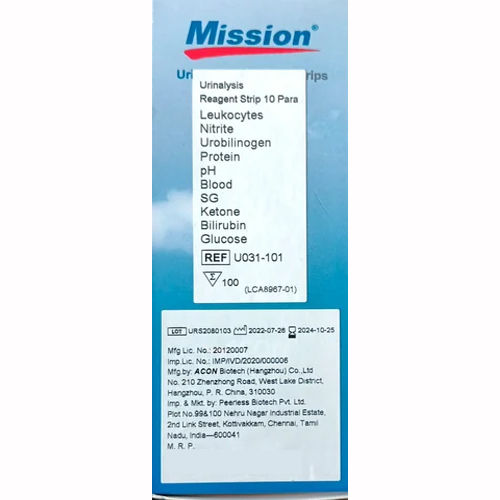
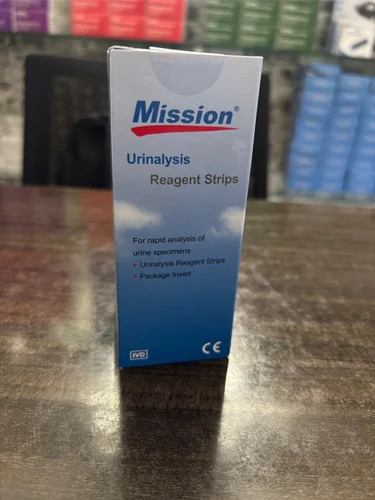
We offer a wide selection of urine analysis reagent strips. They help identify pathological abnormalities in urine using urinalysis. The strips have dry chemical pads within that change colour when exposed to urine. For the detection of glucose, ketones, blood, protein, urobilinogen, nitrite, and leukocytes, urine analysis reagent strips are offered. They are in vitro diagnostic reagents designed for both qualitative and semi-quantitative urinalysis. The purpose of the strips is to detect sugar in urine, which may be a sign of diabetes or other metabolic problems.
Reliable Hospital Diagnostic ToolUrinalysis Reagent Strips provide rapid and precise detection of abnormalities in urine, helping healthcare professionals in hospitals make timely decisions. Their manual operation reduces dependency on machinery and simplifies the workflow. Designed for use in busy hospital environments, these strips offer dependable performance with minimal training required, making them an essential part of modern diagnostic practices in India.
Easy-to-Use and PortableThese reagent strips require no electricity or sophisticated equipment, making them perfect for portable use in various hospital departments. Healthcare workers can conveniently carry and use the strips wherever needed, improving service access and patient care. Their compact design is particularly valuable in settings where space and resources may be limited. This ensures that high-quality urinalysis is always within reach.
FAQ's of Urinalysis Reagent Strips:
Q: How are Urinalysis Reagent Strips used in a hospital setting?
A: In hospitals, Urinalysis Reagent Strips are immersed in a urine sample, then visually inspected after a short reaction time. The color changes on the strip are compared against a standardized chart to interpret results for various biomarkers, assisting healthcare professionals in diagnosis.
Q: What conditions can Urinalysis Reagent Strips help detect?
A: These strips can screen for a range of health conditions, including urinary tract infections, kidney disorders, diabetes, and liver issues, by detecting substances such as protein, glucose, ketones, and blood in the urine.
Q: When should Urinalysis Reagent Strips be utilized?
A: Urinalysis strips are used as part of routine diagnostic testing for patients presenting with symptoms related to urinary and kidney health, or during regular check-ups to monitor existing medical conditions.
Q: Where can these reagent strips be effectively utilized?
A: They are optimized for use within hospitals but are equally efficient in outpatient clinics or healthcare settings that require reliable and portable diagnostic tools, due to their manual operation and portability.
Q: What is the process for using these manual reagent strips?
A: To use, simply dip the strip into a collected urine sample, wait for the indicated reaction time, and then match the resulting color changes to the accompanying chart for immediate test interpretation.
Q: What are the main benefits of using these urinalysis strips?
A: The primary benefits include quick results, ease of use, portability, and the ability to perform multiple tests simultaneously without specialized equipment, which streamlines the diagnostic process and supports prompt medical intervention.





 Send Inquiry

 Send Inquiry

